


Diamonds
History:
Conflict diamonds, also known as blood diamonds, are rough diamonds that rebel movements use to finance their struggles. These conflicts are often very bloody – and show no regard for human life. In countries like Angola, Congo, Ivory Coast, Liberia, and Sierra Leone, conflict diamonds have fueled some of the biggest conflicts Africa has witnessed.
Conflict-Free Diamond Trade: Kimberley:
To address this problem, diamond-producing countries in Africa began collaborating in May 2000 on an agreement designed to prevent the harmful societal consequences of the conflict diamond trade. Exporters, importers, and processors of diamonds, as well as representatives of the diamond industry and local communities, gathered in the city of Kimberley, South Africa, with the aim of removing all conflict diamonds from the market.
This collaboration, now known as the Kimberley Process, developed an international certification system for rough diamonds. This guarantee system is approved by all Kimberley Process members and describes the assurance that all buyers and sellers of polished diamonds and diamond jewelry must include on all invoices.
The guarantee ensures that the present diamonds have been acquired in
accordance with UN resolutions in the area and through legal channels not involved in conflicts.
99.8% of the world's diamonds come from conflict-free sources. Before the Kimberley Process Certification Scheme (KPCS) came into effect in 2003, approximately 4% of all traded diamonds were conflict diamonds. Today, this figure is down to less than 1%.
Under the KPCS, participating states must meet "minimum requirements" and implement national legislation and institutions, such as export, import, and internal controls. Members also commit to transparency and the exchange of statistical data. Furthermore, members can only legally trade with other members who have also met the scheme's minimum requirements, and international shipments of rough diamonds must be accompanied by a KP certificate ensuring that the diamonds are conflict-free.
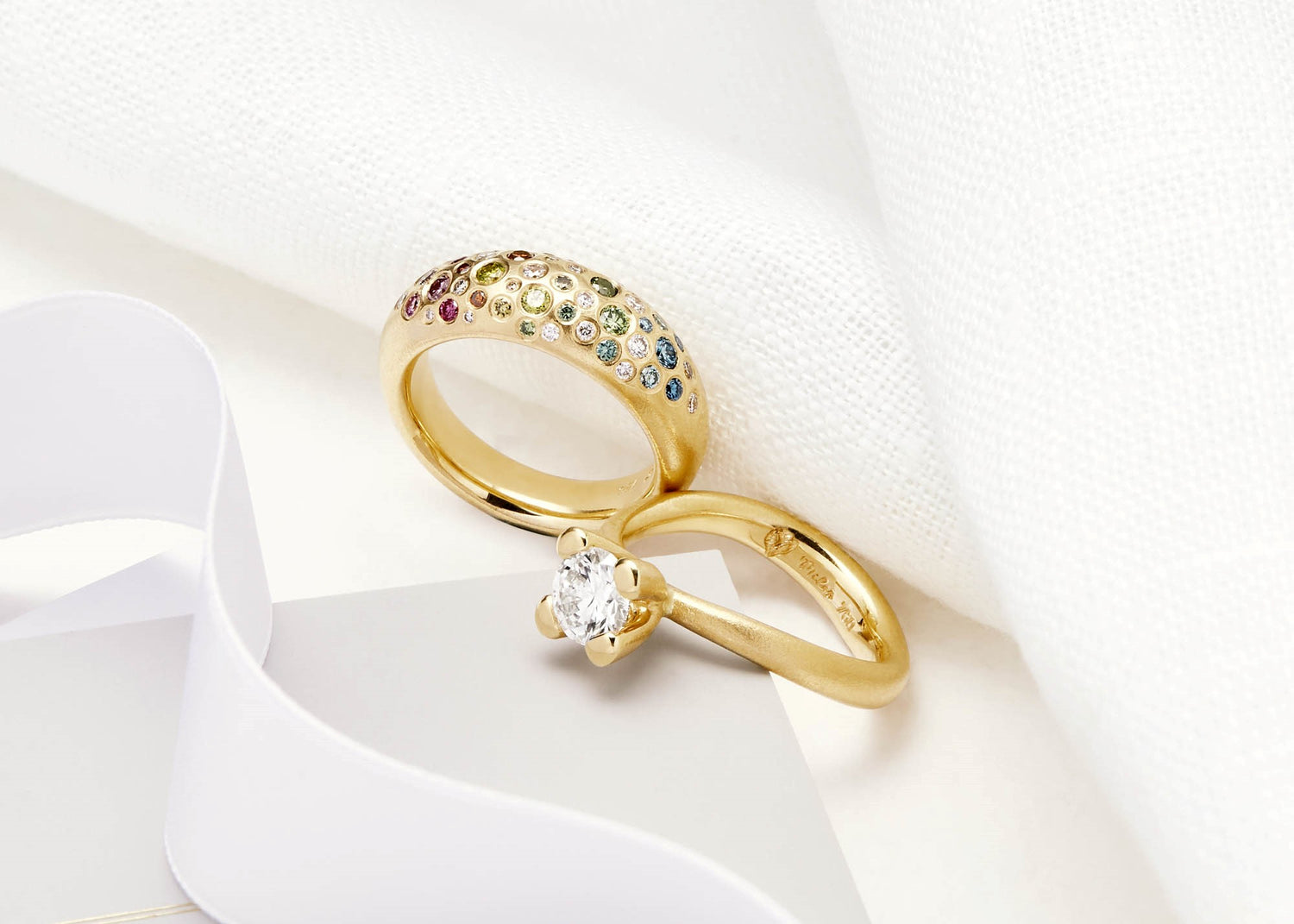
Currently, the Kimberley Process has 82 member countries, which cooperate with the EU, UN, and several NGOs and civil society organizations.
read more about Kimberley: https://www.kimberleyprocess.com/en
Our supplier states:
"We work with internationally recognized suppliers of conflict-free diamonds, always purchased in accordance with the conventions of the United Nations.
A diamond from (company) has been purchased from legitimate sources not involved in funding in conflict-related areas and in compliance with the United Nations Resolutions. The seller hereby guarantees that these diamonds are conflict free, based on personal knowledge and/or written guarantees provided by the supplier of these diamonds. To the best of our knowledge, our diamonds have been ethically sourced in Australia (Natural Champagne only), Canada, Botswana, Namibia or South Africa. We have advanced systems in place to ensure that our diamonds are natural and untreated and you will never find Lab diamonds in our supply.
We are strict in our rough procurement policy to purchase diamonds that are ethical, sustainable and with provenance. This policy relays to supplying the finest polished diamonds that are guaranteed to be ethical, sustainable and with provenance.
We adhere to the highest level of standards to show provenance of our fine diamonds. Currently, we operate with De Beers Code of Origin to show proof of provenance.
(company) is a strong supporter of the United Nation’s Sustainable Development GoalsWe have aligned our sustainable strategy to contribute to the 17 goals with a focus on climate action, education, decent work and economic growth Since the inception of the Kimberly Process in 2003 – an agreement and system to eliminate the trade of conflict diamonds across international borders – we have diligently followed the system to source and trade diamonds that have complete chain-of-custody."
See popular jewelry
-
Ring - Diamant med sidesten
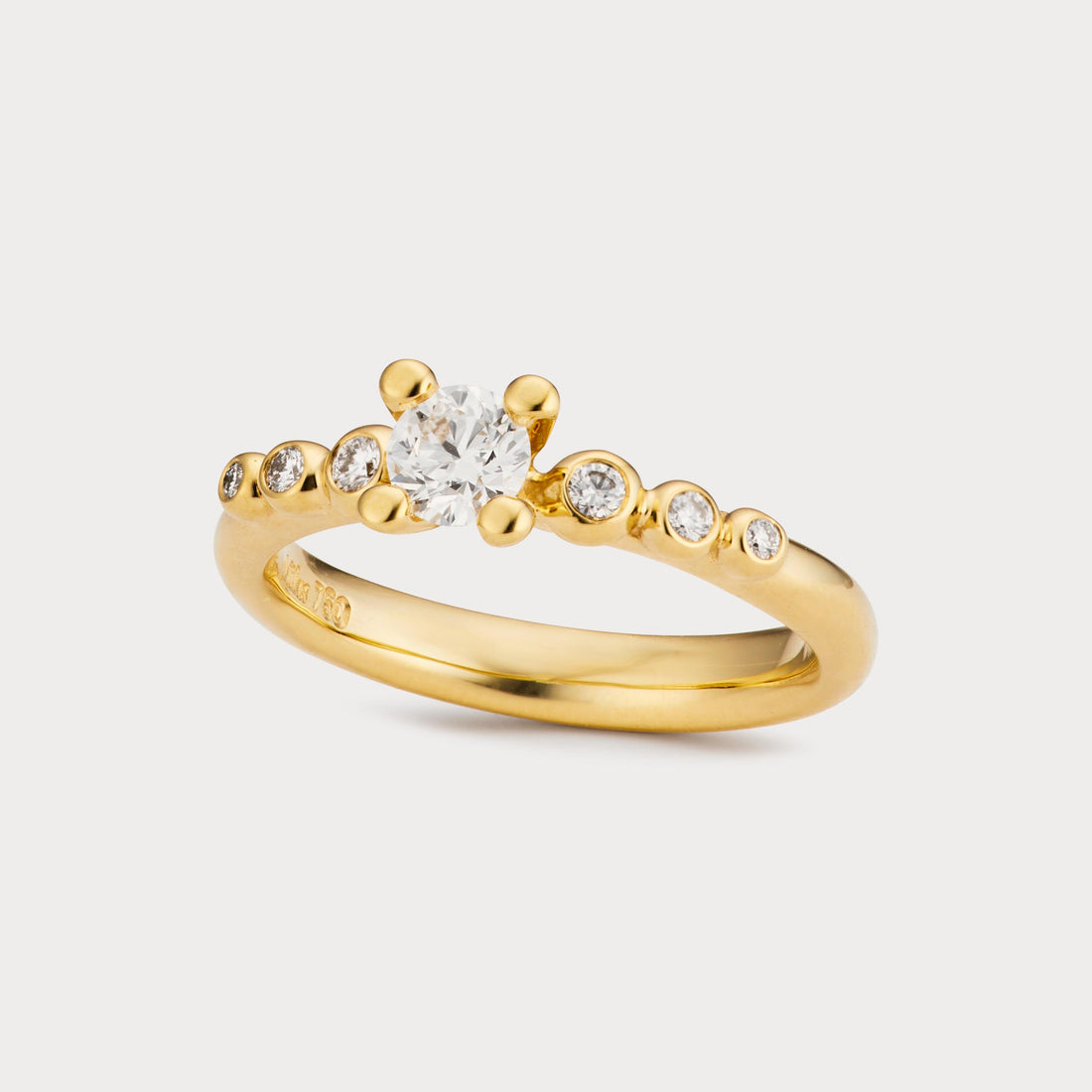 Ring - Diamant med sidesten
- Regular price
-
31.300 kr - Regular price
-
- Sale price
-
31.300 kr
Quick view
-
Ring - Diamant med bobler
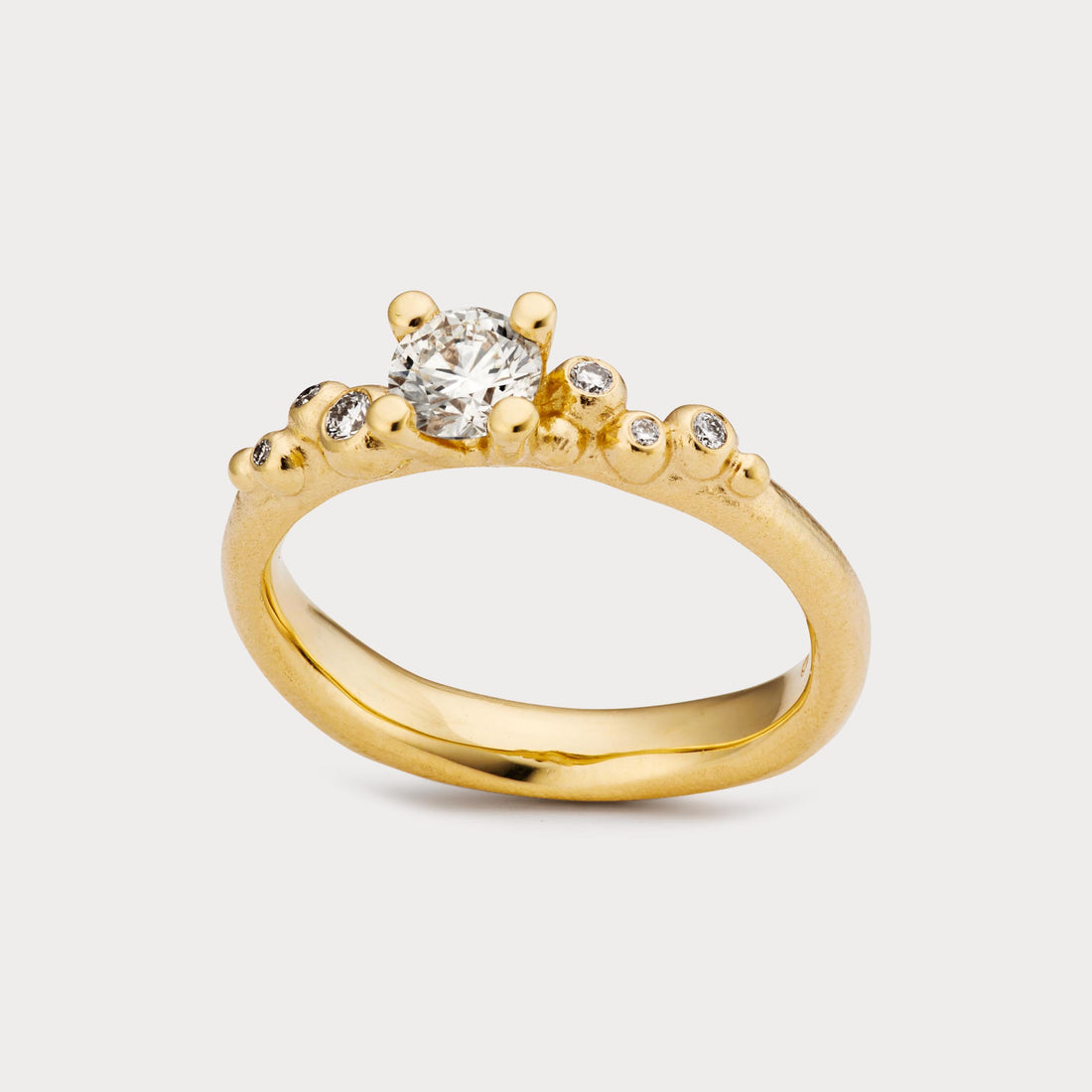 Ring - Diamant med bobler
- Regular price
-
34.600 kr - Regular price
-
- Sale price
-
34.600 kr
Quick view
-
Bolchering - 18ct with Tourmaline
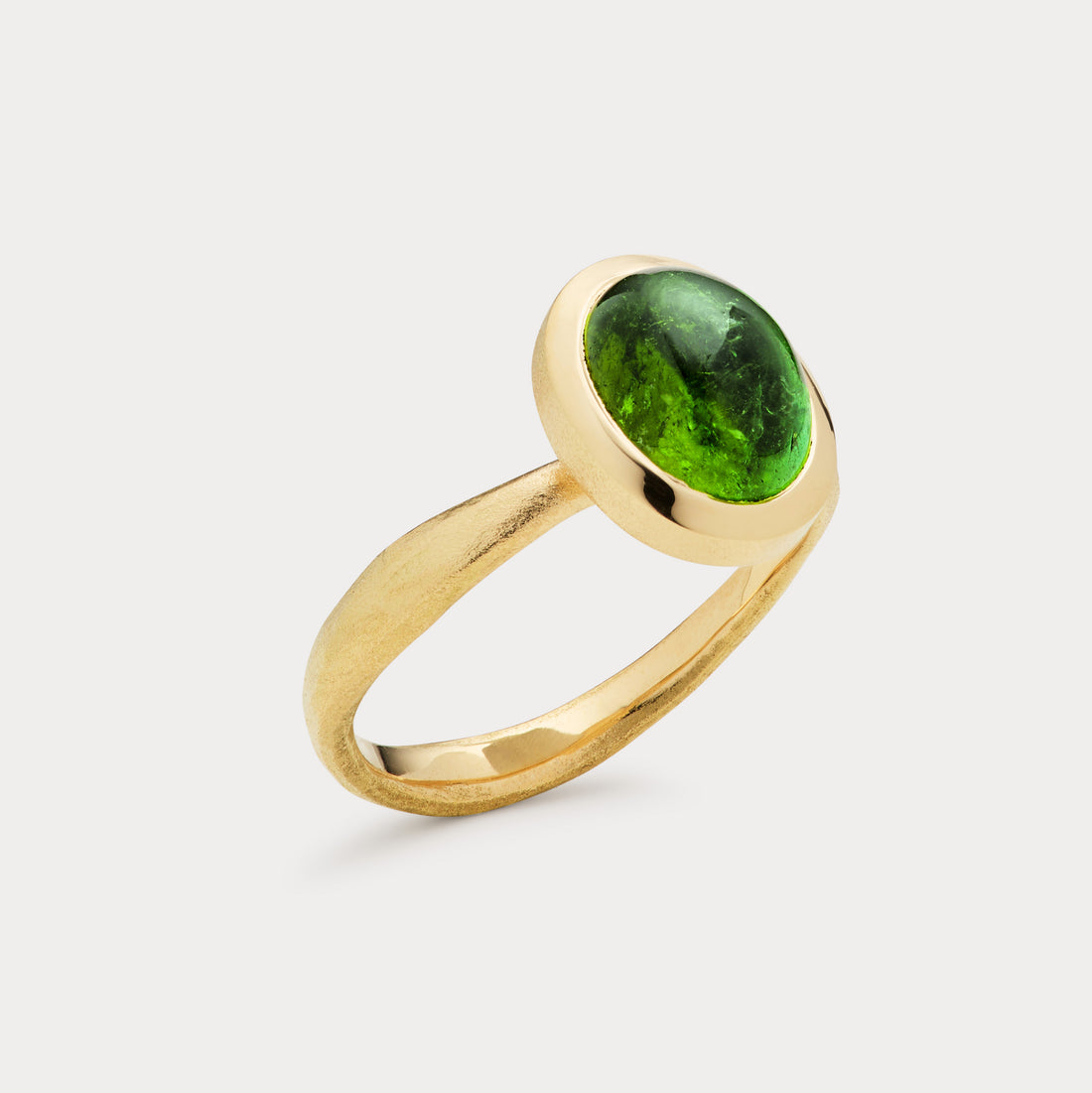 Bolchering - 18ct with Tourmaline
- Regular price
-
16.900 kr - Regular price
-
- Sale price
-
16.900 kr
Quick view
-
Ring - Sway three-stone ring
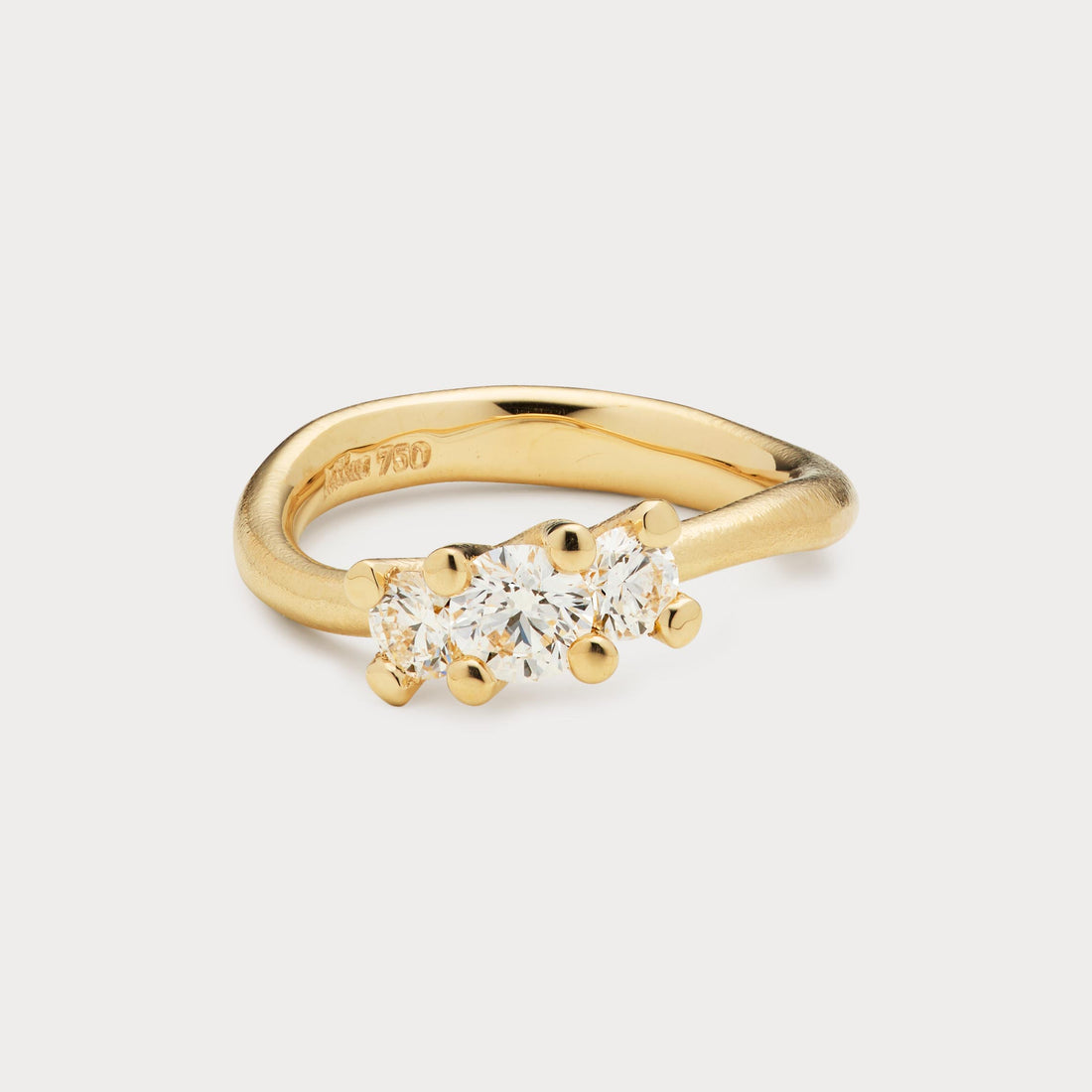 Ring - Sway three-stone ring
- Regular price
-
40.000 kr - Regular price
-
- Sale price
-
40.000 kr
Quick view
-
Ring - Organic three-stone ring
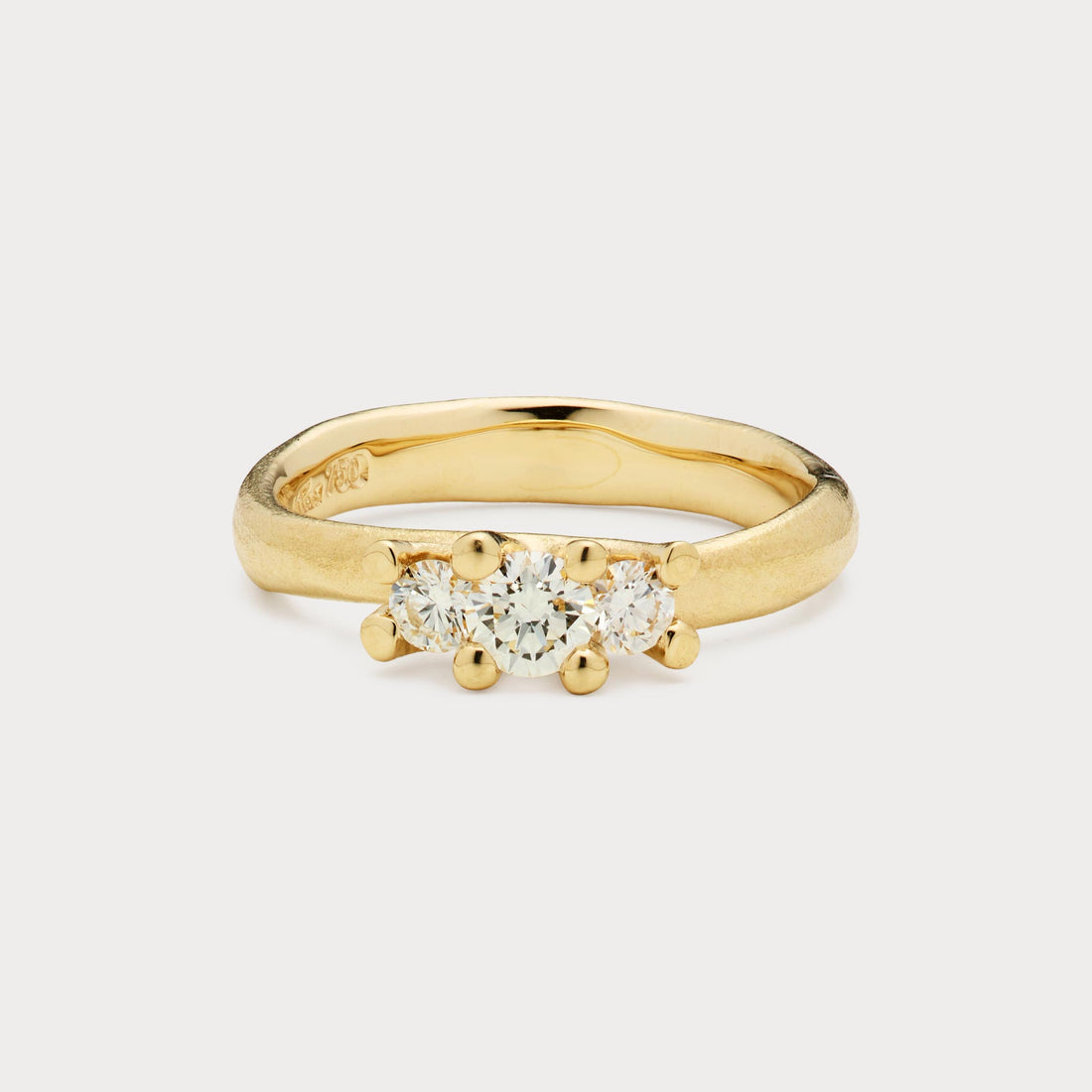 Ring - Organic three-stone ring
- Regular price
-
22.900 kr - Regular price
-
- Sale price
-
22.900 kr
Quick view
-
Ring - curl 18 ct gold
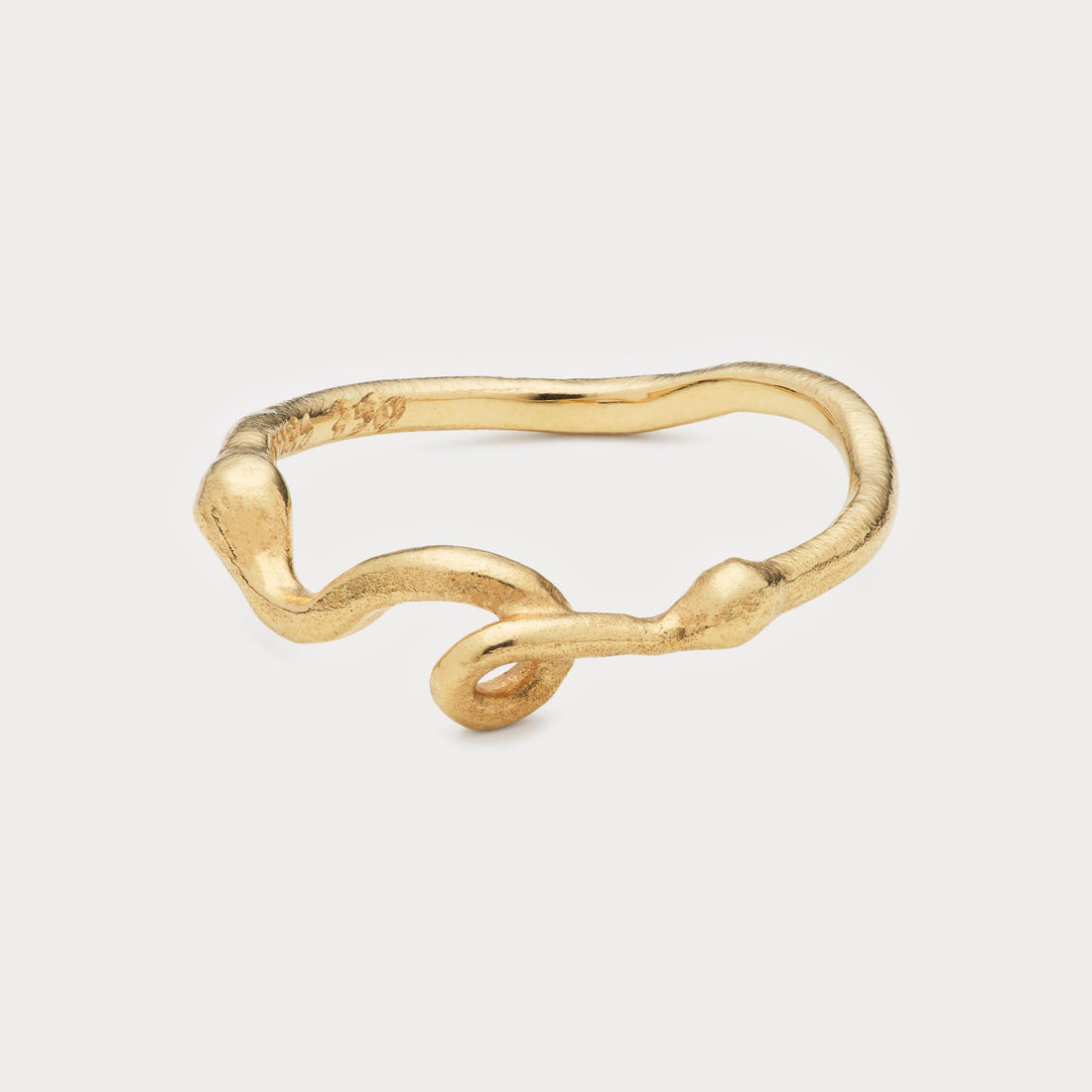 Ring - curl 18 ct gold
- Regular price
-
8.100 kr - Regular price
-
- Sale price
-
8.100 kr
Quick view
-
Change of Earrings - Buttercups & Tahitian Pearls
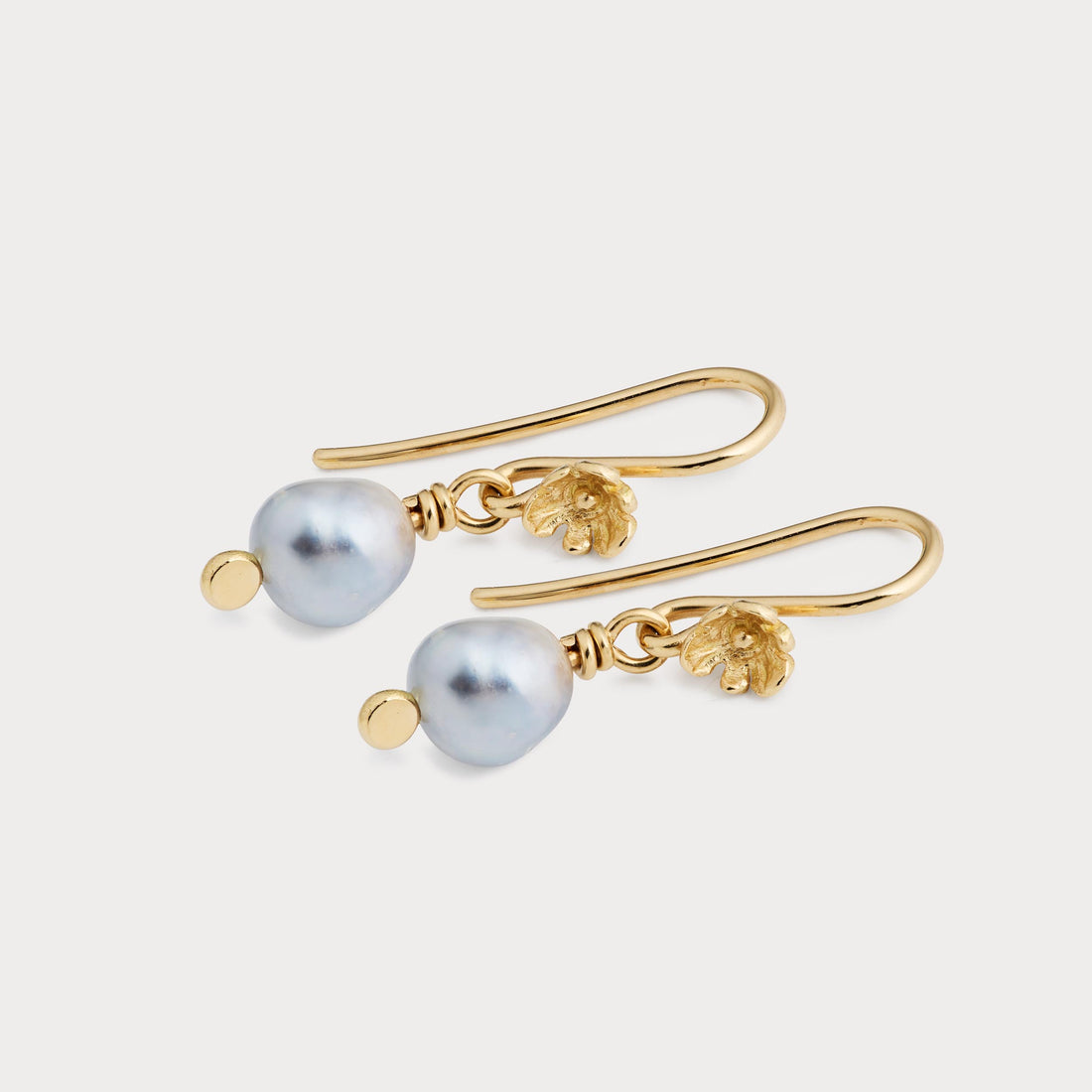 Change of Earrings - Buttercups & Tahitian Pearls
- Regular price
-
1.900 kr 6.600 kr - Regular price
-
- Sale price
-
1.900 kr 6.600 kr
Quick view
-
Changing Hangers - Buttercups & Tahiti Pearls
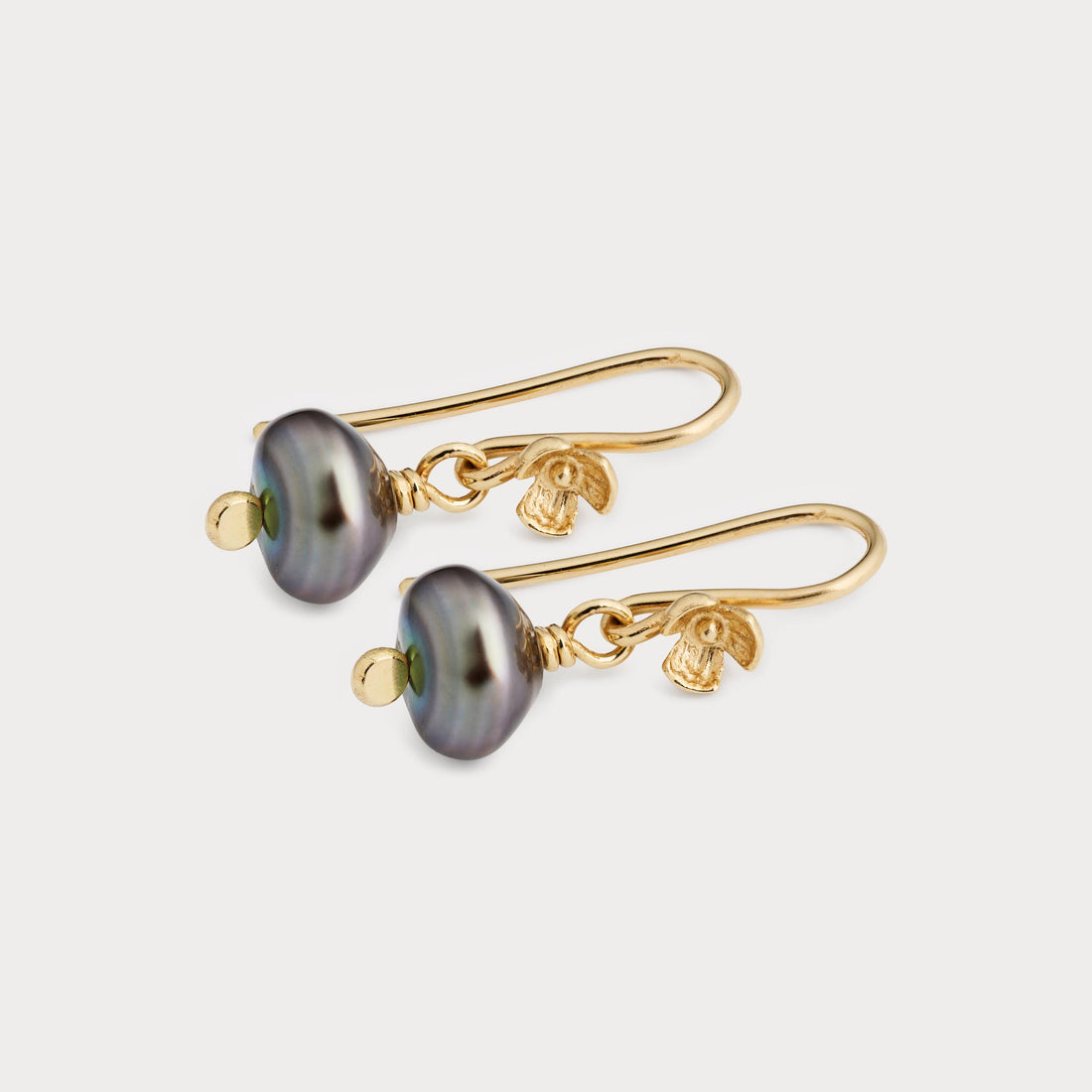 Changing Hangers - Buttercups & Tahiti Pearls
- Regular price
-
1.900 kr 6.600 kr - Regular price
-
- Sale price
-
1.900 kr 6.600 kr
Quick view
-
Candy Earrings - Amethyst & Tourmaline
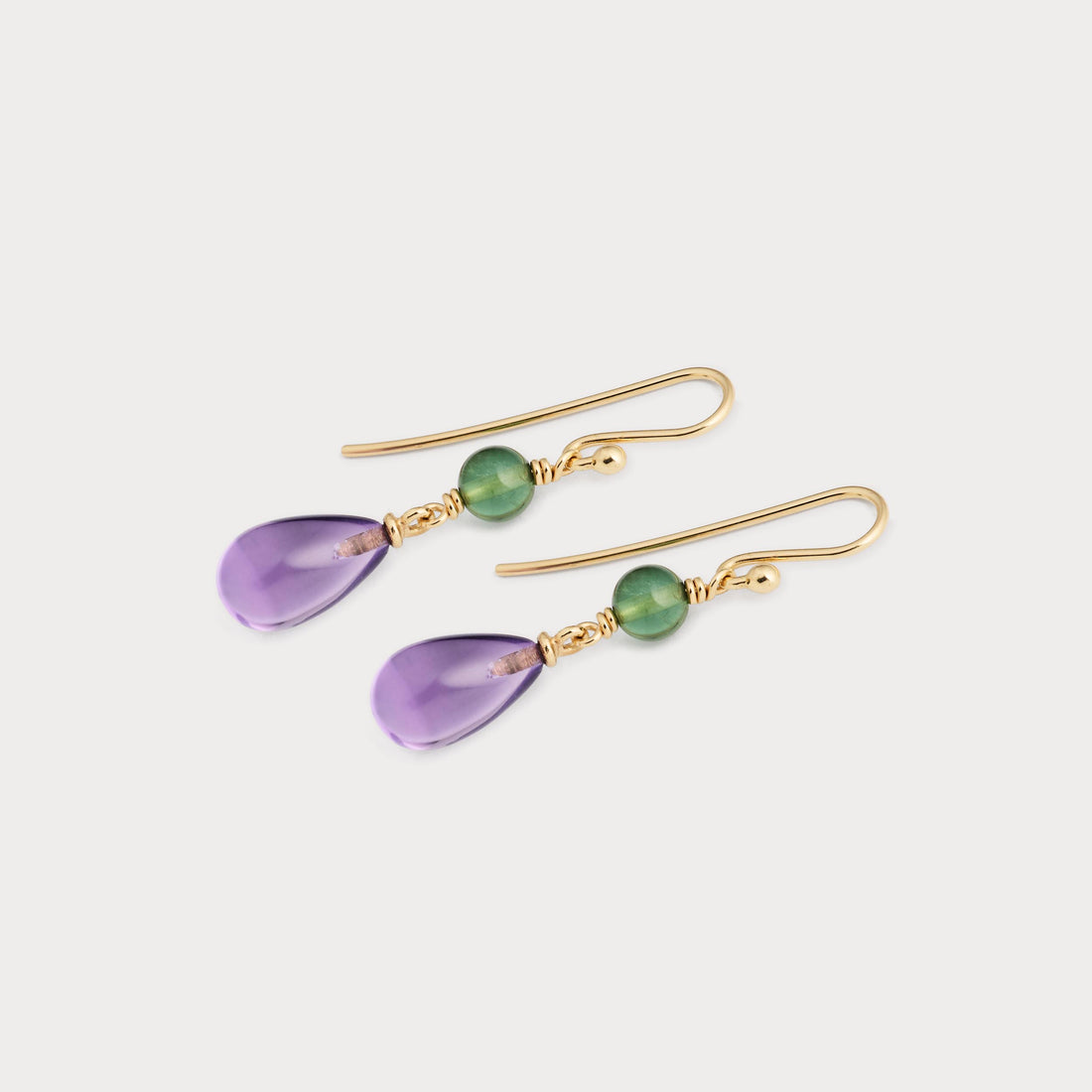 Candy Earrings - Amethyst & Tourmaline
- Regular price
-
8.000 kr - Regular price
-
- Sale price
-
8.000 kr
Quick view
-
Candy Earrings - Malachite & Moonstone
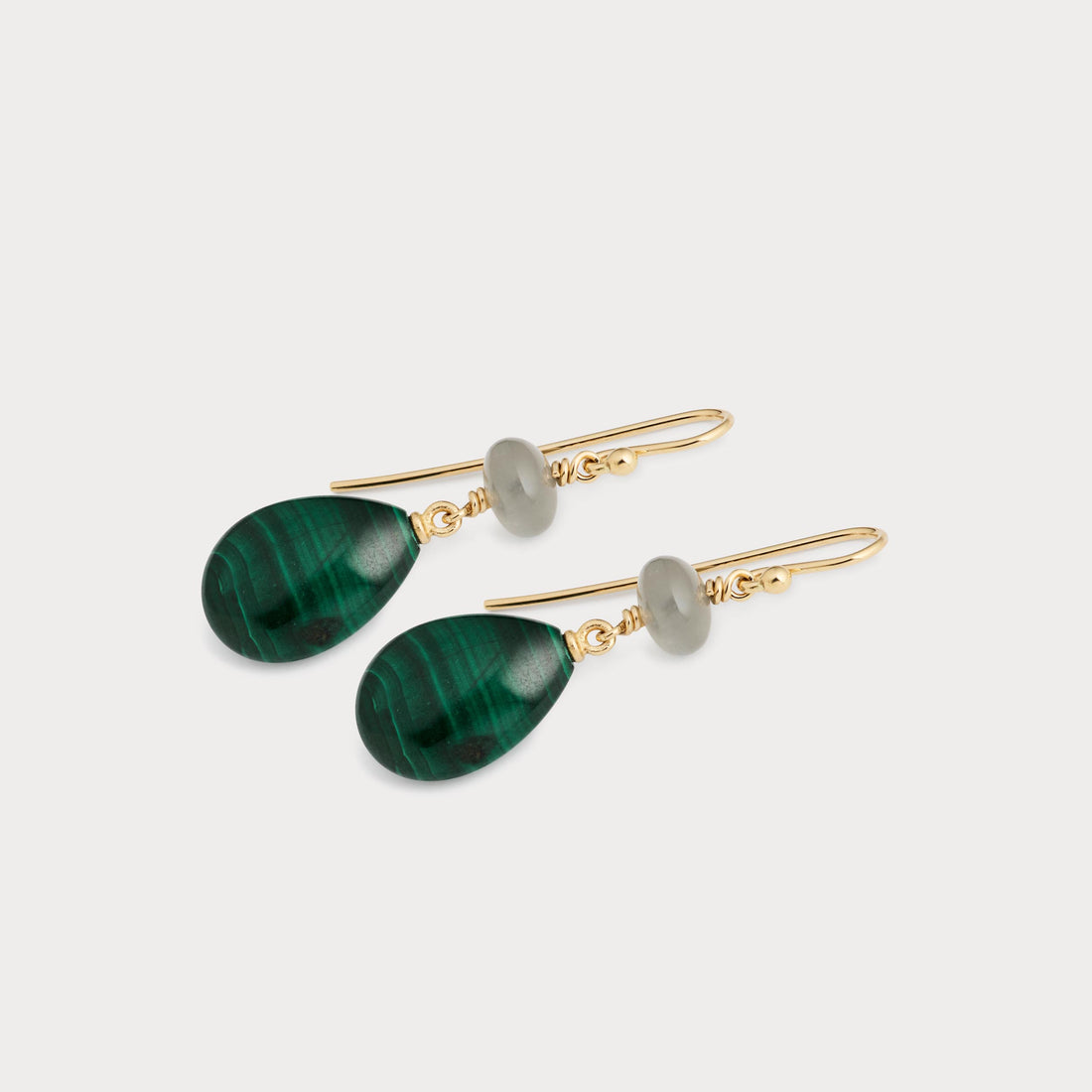 Candy Earrings - Malachite & Moonstone
- Regular price
-
7.300 kr - Regular price
-
- Sale price
-
7.300 kr
Quick view
-
Candy Earrings - Sunstone & Tourmaline
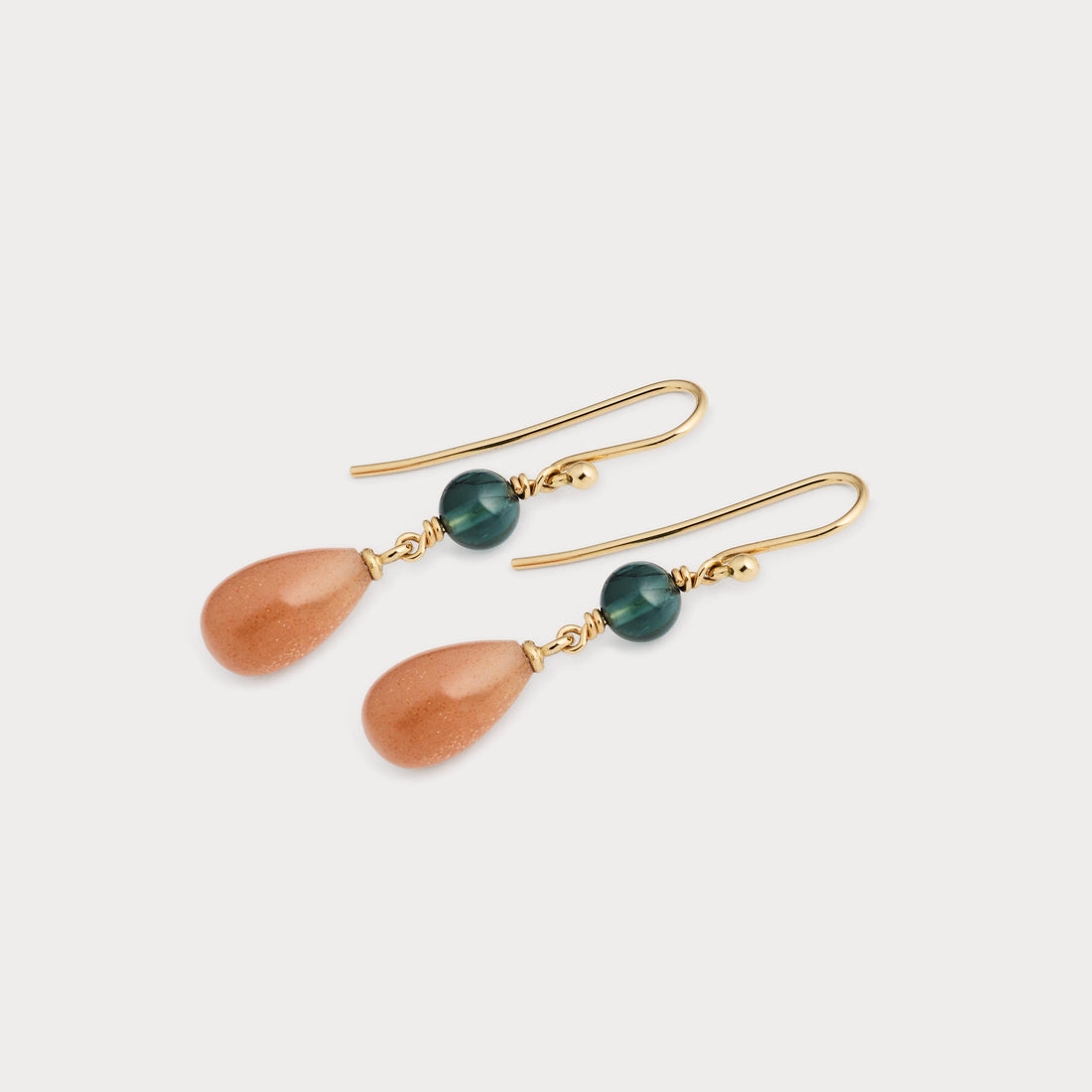 Candy Earrings - Sunstone & Tourmaline
- Regular price
-
7.200 kr - Regular price
-
- Sale price
-
7.200 kr
Quick view
-
Bonbon Earrings - Smoky Quartz & Tourmaline
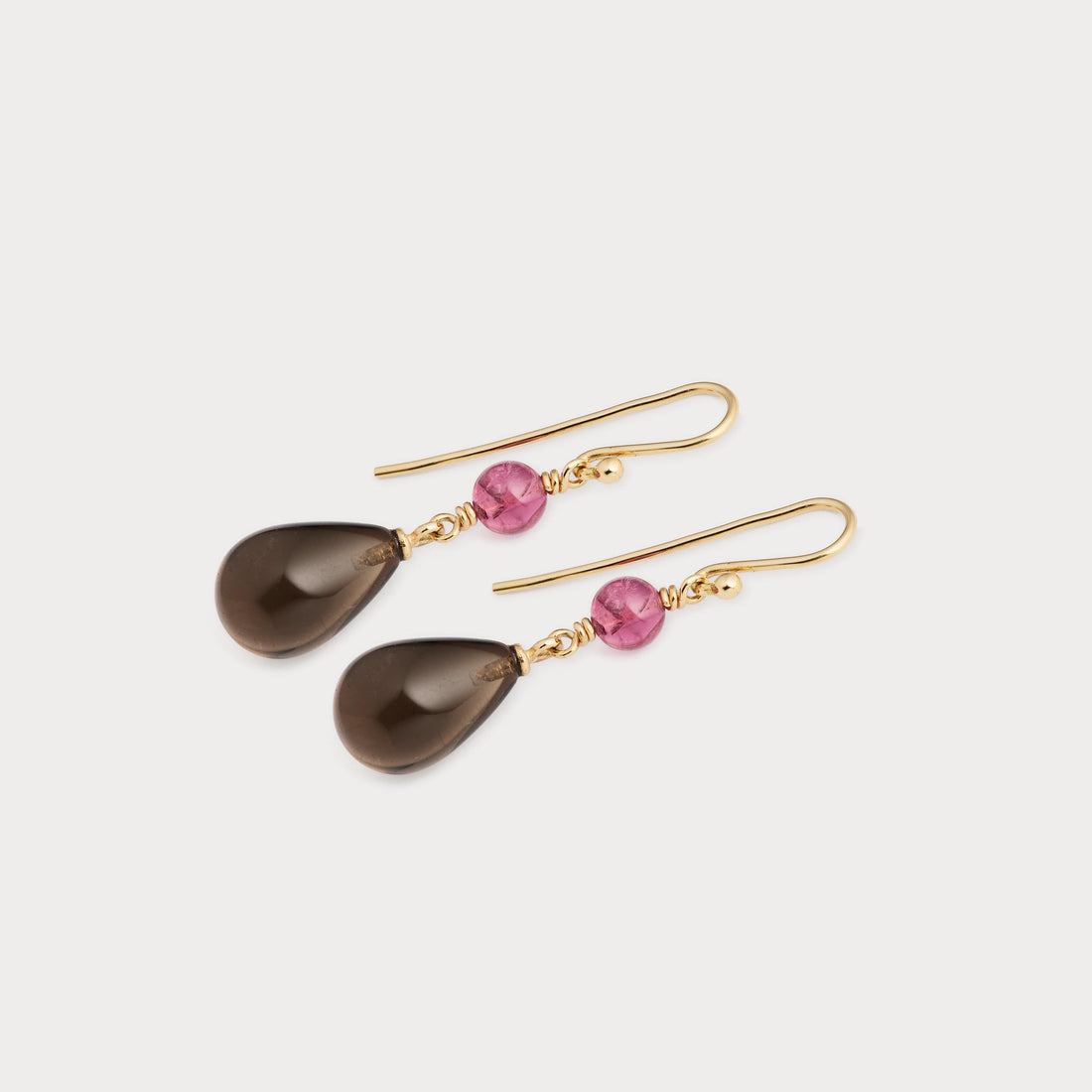 Bonbon Earrings - Smoky Quartz & Tourmaline
- Regular price
-
7.100 kr - Regular price
-
- Sale price
-
7.100 kr
Quick view
